Track widths beside barley stubble in Saskatchewan stay idle until July first when cutting crews raise decks above fifteen centimetres; Nova Scotia blueberry barrens delay mowing until after chicory fades because coastal fog keeps soil moisture elevated.
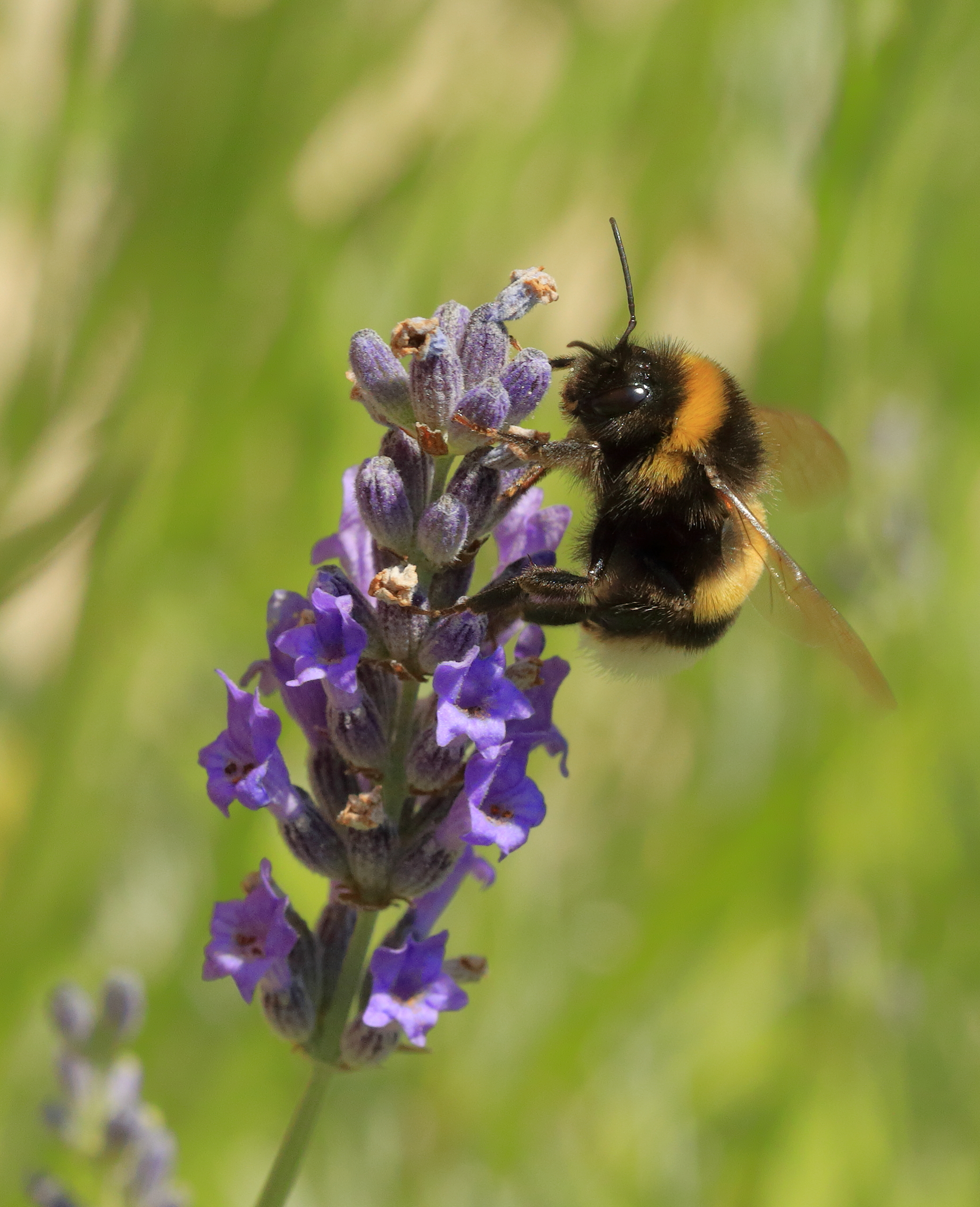
Surface litter versus bare sand
Three centimetres of oak chips over clay banks east of Lake Ontario mimic abandoned rodent chambers better than screened topsoil alone; Prairie crews measure grass thatch depth weekly because wind strips loose straw fast.
Heat retention during Maritime fog
Black geotextile scraps tucked under hip rings raise soil temperature two Celsius during nights below ten degrees, enough for diapausing queens without irrigation spray drift.
Adjacent hive spacing notes
Managed colonies kept seventy metres from candidate strips reduce drift inspections that otherwise flatten moss carpets where queens inspect scent trails.
- Leave nine-metre buffer inside livestock fencing so dust baths stay uncompacted.
- Trim roadside brush vertically instead of scalping so litter stays shaded.
- Mark ditch outlets so drainage crews avoid clawing banks during August repairs.
Cross references inside this desk
Winter hive logs tie into winter stores and spring hive probes across temperate Canada. Bloom calendars intersect with early bloom sequences for short frost-free periods.
Federal reference shelf
Landscape retention adjacent to agriculture appears inside Agriculture and Agri-Food Canada environmental summaries at AAFC beneficial management practices.